Understanding Trade Show Videography
Trade show videography is an essential component for businesses looking to maximize their impact at events. In a bustling trade show environment, where thousands of exhibitors compete for attention, the right videography can showcase a brand's uniqueness and draw in prospective clients. Not only does capturing high-quality video create lasting promotional material, but it also serves to document the excitement and engagement that takes place in these dynamic settings. As businesses in Orange County, California, strive to stand out, understanding the nuances of effective trade show videography becomes increasingly important. When exploring options, trade show videography Orange County, California provides comprehensive insights to elevate your event's visibility.
What is Trade Show Videography?
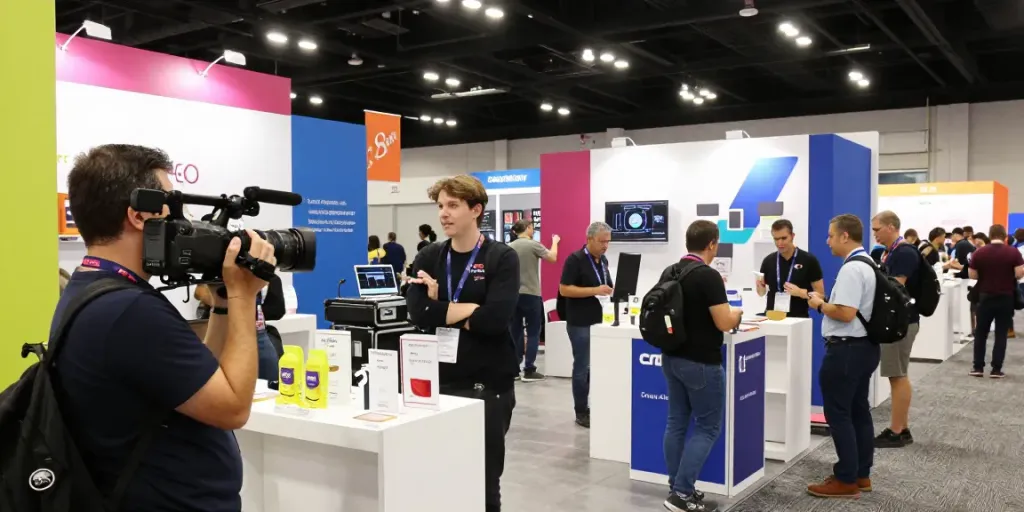
Trade show videography refers to the process of filming events that occur within trade shows, exhibitions, or conventions. This specialized form of videography captures the essence of the event, including presentations, product demonstrations, audience engagement, and networking interactions. The goal is to produce videos that not only document these moments but also serve marketing purposes, such as promotional clips, highlight reels, and educational content.
Importance of Videography in Trade Shows
Videography plays a crucial role in trade shows for several reasons:
- Increased Visibility: Video content is highly shareable across social media platforms, helping brands reach a wider audience.
- Engagement: The dynamic nature of video content captures attention more effectively than static images or text, keeping potential customers engaged.
- Documentation: Video serves as a record of the event, providing companies with content they can repurpose for future marketing strategies.
- Testimonial Creation: By capturing attendees’ reactions and testimonials on video, brands can enhance their credibility and build trust with prospective clients.
Key Elements of Successful Trade Show Videography
Successful trade show videography hinges on several core elements:
- Planning: A well-thought-out plan is essential to ensure that all key moments are captured, from booth setup to the final closing remarks of the event.
- Quality Equipment: Utilizing high-quality cameras, stabilization tools, and sound equipment will ensure that the video resonates well with viewers.
- Skilled Crew: Having a knowledgeable videography team that understands trade show dynamics can make a significant difference in the quality and relevance of the footage captured.
- Editing: Post-event editing plays a vital role in polishing the video content, enhancing its appeal through effective storytelling techniques.
Best Practices for Trade Show Videography
Planning Your Videography Strategy
Begin with a comprehensive strategy that outlines your goals for the videography project. Define what aspects of the trade show you wish to highlight, whether it's interactions at your booth, keynote speeches, or networking opportunities. Establish a shot list that prioritizes these key moments, allowing videographers to stay focused and efficient during the event.
Equipment and Technology for Optimal Results
To achieve the best results, it's vital to invest in top-notch equipment. Consider the following:
- Cameras: Use high-definition cameras capable of shooting in low-light conditions.
- Audio Equipment: Employ lapel microphones for speakers and shotgun microphones for ambient sound to ensure clear audio quality.
- Lighting: Utilize portable lights to enhance visibility in darker venues.
- Stabilization Gear: Tripods, gimbals, and sliders can help produce smooth, professional-looking videos.
Capturing Key Moments and Engagements
Effective videography at a trade show involves capturing not only the main events but also spontaneous moments of engagement. Encourage your team to film:
- Product demonstrations
- Interviews with attendees and industry experts
- Networking moments
- Live interactions at the booth
These elements add authenticity and relatability to the final video, making it more engaging for viewers.
Marketing Your Trade Show Videography Services
Identifying Your Target Market in Orange County
To effectively market trade show videography services, start by identifying your target audience. In Orange County, consider focusing on industries that frequently host trade shows, such as technology, healthcare, and manufacturing. Understanding the specific needs and pain points of these sectors will allow you to tailor your services accordingly.
Utilizing Social Media and Online Portfolios
Social media is a powerful tool for showcasing your videography work. Use platforms like Instagram, LinkedIn, and Facebook to share video highlights, testimonials, and industry insights. Additionally, an online portfolio that features your best work can serve as a visual resume, attracting potential clients seeking quality videography services.
Leveraging Testimonials and Case Studies
One of the most effective marketing strategies is to leverage past client testimonials and case studies. Showcase the success stories of previous trade shows where your videography significantly impacted brand visibility and engagement. Include quantifiable results, such as increased leads or social media engagement, to illustrate your value.
Measuring Success in Trade Show Videography
Key Performance Indicators to Track
Measuring the effectiveness of your trade show videography involves tracking various key performance indicators (KPIs) such as:
- View counts on online platforms
- Engagement rates (likes, shares, comments)
- Leads generated from video content
- Audience feedback and sentiment analysis
Gathering Feedback for Continuous Improvement
After each event, gathering feedback from clients and viewers is essential. Use surveys, direct interviews, and online feedback forms to collect insights about what worked well and what could be improved. This input will help refine your videography approach for future events.
Using Video Analytics for Strategy Refinement
Utilize analytics tools to assess how your videos are performing. Metrics such as watch time, click-through rates, and engagement statistics can reveal what content resonates most with your audience. This data is invaluable for adjusting your videography strategy to better meet client needs moving forward.
The Future of Trade Show Videography
Trends in Videography for 2026 and Beyond
As technology evolves, so too does the landscape of trade show videography. Looking forward to 2026, expect to see the following trends:
- 360-Degree Video: Allows viewers to immerse themselves in the trade show experience, offering a more engaging perspective.
- Live Streaming: Real-time streaming of events enables companies to reach wider audiences beyond the venue.
- Augmented Reality (AR): Incorporating AR into videos can enhance viewer interaction and engagement.
Innovations in Video Technology
The continuous advancements in video technology will bring new tools and techniques to trade show videography. Innovations such as AI-driven editing software and enhanced drone capabilities will allow for more creative filming options and polished finished products.
Adapting to the Evolving Trade Show Landscape
Trade shows are evolving, and the demand for high-quality, impactful videography is increasing. In response, videographers must remain nimble, adopting new technologies and methodologies while also being prepared to address the changing needs and expectations of exhibitors and attendees alike.
How much should a videographer charge?
Videographer rates can vary widely based on experience, location, and project scope. On average, expect to pay between $1,000 to $3,000 for a day of videography, including editing services. It's important to understand what is included in the package, such as the number of hours of footage, editing time, and additional services.
What is the average duration for trade show videography?
The average duration of trade show videography can range from 3 to 10 minutes for highlight reels, while full event coverage could result in longer videos. It's essential to tailor video lengths based on the intended use, audience preferences, and platform specifications.
What equipment is essential for trade show videography?
Essential equipment for trade show videography includes:
- High-definition cameras
- Microphones (lapel and shotgun)
- Tripods and stabilization gear
- Lighting equipment
How to find the best videographer for your event?
To find the best videographer for trade shows, consider factors such as portfolio quality, client reviews, and industry experience. Reach out to previous clients for recommendations and conduct interviews to gauge their understanding of trade show dynamics and your specific needs.
What are the benefits of professional videography at trade shows?
Hiring a professional videographer for trade shows can enhance brand visibility, create engaging promotional content, and document key interactions effectively. Furthermore, the expertise and quality of work from professionals lead to superior results that can significantly contribute to post-event marketing efforts.