The Role of 88M Operators in Military Logistics
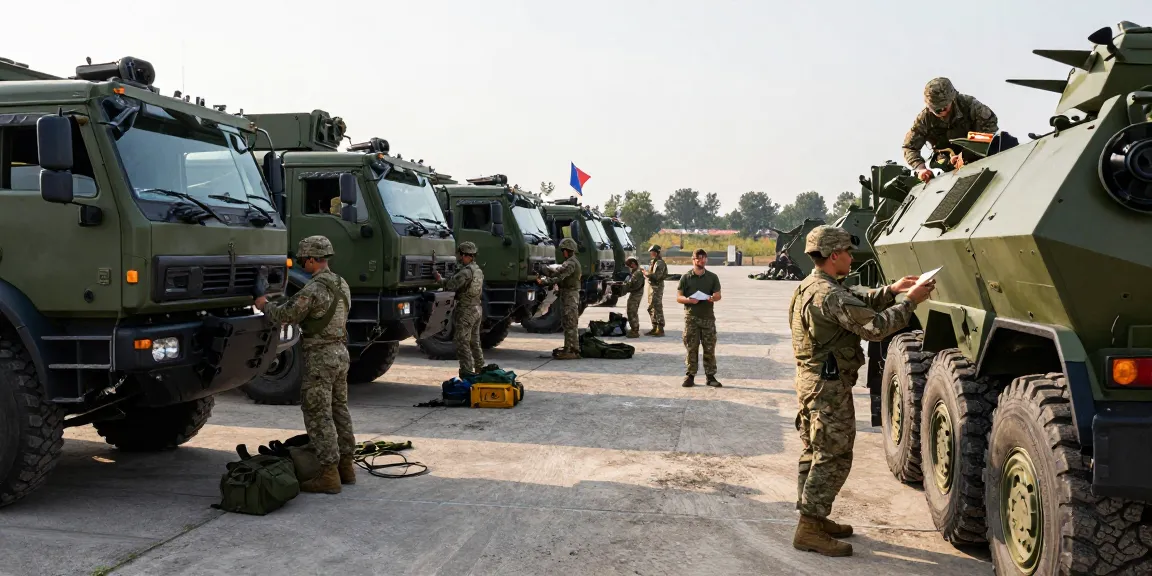
The 88M Motor Transport Operator role is crucial within military logistics, serving as the backbone of transportation operations. These operators are tasked with ensuring the efficient movement of troops and equipment, which is essential for the success of military missions. As the landscape of military logistics evolves with new technologies and methodologies, understanding the intricacies of this position becomes increasingly important. For comprehensive insights into this role and its impact, resources like 88m. com can provide valuable information.
Understanding the 88M Job Description
88M Motor Transport Operators are responsible for operating various vehicles to transport personnel and equipment safely. They receive detailed training on how to manage tactical wheeled vehicles and equipment over different terrains and conditions, ensuring that the military’s mobility needs are met. These operators play a vital part not only in everyday operations but also in combat scenarios where rapid deployment can be critical.
Key Responsibilities of a Motor Transport Operator
- Driving and maintaining military vehicles, including trucks and other wheeled vehicles.
- Planning routes and ensuring timely deliveries of personnel and equipment.
- Understanding and applying safety and operational procedures during transport missions.
- Coordinating with other military units to facilitate logistical support.
How 88M Operators Support Military Operations
88M Operators support military operations by providing essential logistics that enable other units to execute their missions effectively. Their ability to navigate and manage transportation resources ensures that supplies, troops, and equipment are where they need to be, when they need to be there. This coordination promotes operational efficiency and enhances overall mission success.
Training and Requirements for 88M Operators
Becoming an 88M Motor Transport Operator requires rigorous training and a commitment to excellence. Aspiring operators undergo a comprehensive training program that equips them with the necessary skills and knowledge to perform their duties effectively.
Basic Combat Training for New Recruits
All recruits must complete Basic Combat Training (BCT), where they learn fundamental military skills. This period is designed to instill discipline, teamwork, and the physical conditioning necessary for military service. BCT typically lasts for 10 weeks and covers various essential topics that form the foundation for further specialized training.
Advanced Individual Training Overview
Following BCT, recruits undergo Advanced Individual Training (AIT) specifically for the 88M MOS. This training lasts approximately six weeks and three days and focuses on the technical skills required for operating military vehicles. Trainees learn how to manage everything from loading and unloading cargo to understanding vehicle maintenance and transportation safety protocols.
Physical and Technical Qualifications
Eligibility for the 88M role involves meeting specific physical and technical qualifications. Candidates must pass a physical fitness test, have a valid driver’s license, and be able to demonstrate technical aptitude for operating complex machinery. These requirements ensure that only the most capable recruits are entrusted with critical transportation duties.
Career Opportunities and Growth as an 88M
Servicing as a Motor Transport Operator opens numerous career paths within the military and beyond. The skills and certifications gained during service are highly valuable in both military and civilian settings.
Potential Career Paths in Military Transport
Inside the military, 88M operators can advance to supervisory positions, where they oversee other transport operators and manage logistical operations. Leadership training and experience can lead to careers in military logistics management, further enhancing the operator’s expertise and employability.
Benefits and Salary Expectations for 88M Operators
88M operators enjoy various benefits, including competitive salaries, comprehensive healthcare, and educational opportunities. Salaries for 88M operators typically vary based on rank and location, but many find that their experience translates well into civilian trucking and logistics roles, often resulting in higher earnings after service.
Transitioning to Civilian Careers with CDL Certification
One of the significant advantages of serving as an 88M is the opportunity to earn a Commercial Driver’s License (CDL). This certification is highly regarded in the civilian job market, allowing former operators to easily transition into trucking and transportation positions after their military service. The skills developed during their service provide a strong foundation for a successful civilian career.
Challenges and Misconceptions Surrounding the 88M Role
While the 88M role is vital to military operations, it is often surrounded by misconceptions that can affect perceptions of the job and its impact.
Common Misunderstandings About Military Jobs
Many people believe that military jobs, particularly those in logistics like 88M, are less exciting compared to combat roles. However, this perception ignores the critical nature of logistical support and transportation in achieving military success. Operators face real challenges and responsibilities that can be both demanding and rewarding.
Real-life Experiences from Current and Former Operators
Current and former Motor Transport Operators frequently share insights about the dynamic nature of their roles. From navigating tricky terrains to coordinating logistics for large operations, the daily tasks involved require adaptability, problem-solving skills, and a deep understanding of military logistics.
Overcoming Misconceptions in Future Careers
As 88M operators transition to civilian roles, they often encounter skepticism regarding their military experience. Demonstrating the transferable skills gained during service—such as leadership, logistics management, and technical proficiency—can help mitigate these misconceptions and showcase their value to potential employers.
Future Trends in Military Transport and the 88M Role
The military transport sector is rapidly evolving, influenced by technological advancements and changing operational needs. Understanding these trends can better prepare 88M operators for the future.
Emerging Technologies in Military Logistics
Technologies such as autonomous vehicles and advanced logistics software are starting to reshape military transportation. 88M Operators may soon find themselves working alongside automated systems that enhance operational efficiency, requiring a new set of skills to manage and interact with these innovations.
Predicted Changes in Military Transport Operations by 2026
By 2026, the integration of unmanned vehicles and improved data analytics is likely to change how military transport operates. 88M operators will need to adapt to these changes, focusing on managing complex systems and leveraging technology to facilitate logistics in a modern warfare environment.
The Evolving Skill Sets Needed for 88M Operators
As the military logistics landscape transforms, the skill sets required for 88M operators will evolve. Future operators will need a strong understanding of technology, including GPS systems, logistics software, and potentially even automated vehicle systems. Continuous training and adaptation will be vital to ensure they remain effective in their roles.